
V-Belt and Timing Belt: Installation, Maintenance, and Best Practices
1. Introduction
Proper installation and maintenance of V-belts and timing belts are essential to ensure reliable performance, long service life, and efficient power transmission. Incorrect installation, poor tension, or improper maintenance can lead to premature belt failure, reduced machine efficiency, and costly downtime.
This guide provides a step-by-step approach for installation, maintenance, troubleshooting, and preventive care, including industry best practices.
2. Installation Procedures
2.1 Safety First
– Always switch off power and lock out machinery.
– Remove protective guards before handling belts.
– Never use excessive force or pry tools to remove/install belts.
2.2 Removing the Old Belt
- Loosen motor or tensioner to reduce belt tension.
2. Carefully remove the old belt.
3. Inspect the old belt for wear patterns, cracks, or stretching—this can indicate pulley misalignment or overloading.
2.3 Installing a New Belt
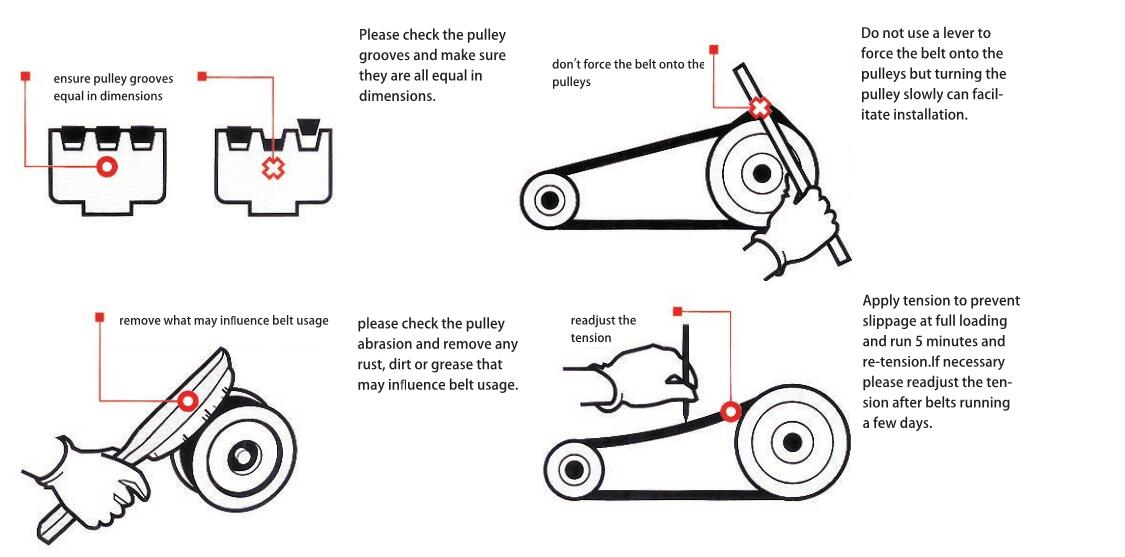
- Clean pulleys with a soft cloth; avoid solvents, brushes, or sandpaper.
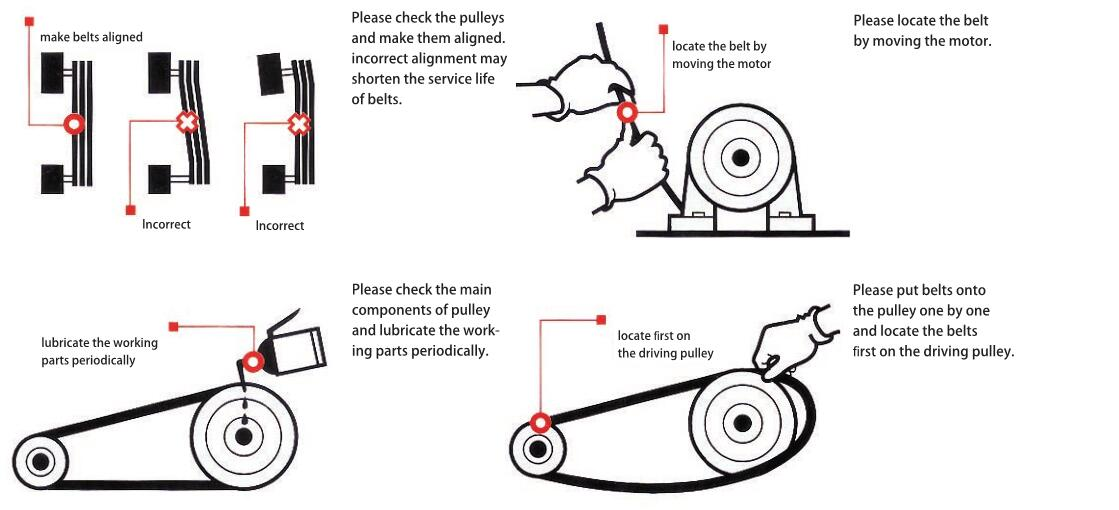
2. Ensure pulleys are aligned and symmetrical; misalignment reduces belt life.
3. Mount the belt gently; avoid bending sharply or prying.
4. Adjust the tension using a tension gauge; hand-rotate the pulley several times to verify.
5. Tighten motor or assembly bolts to correct torque to avoid tension drift.
6. Run the system briefly and listen for unusual noise or vibration.
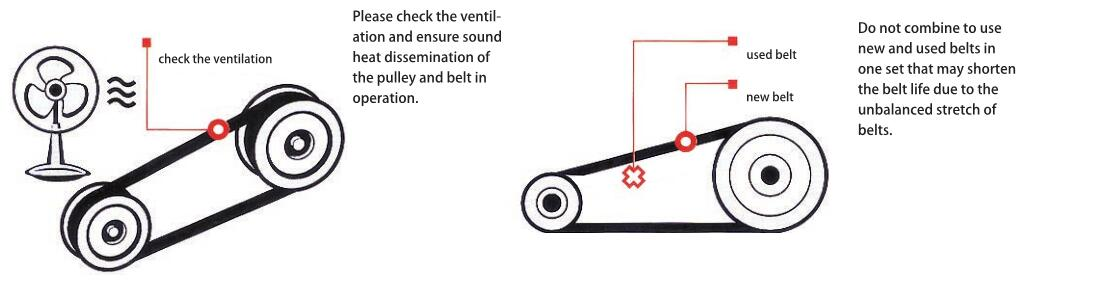
Figure 1: Proper belt installation on aligned pulleys:
3. Maintenance Guidelines
3.1 Belt Care
| Item | Guideline |
| Bending | Minimum bending diameter should be respected; avoid sharp bends |
| Storage | Keep belts out of sunlight, moisture, acids, alkalis, and organic solvents |
| Temperature | Store between -20°C and 50°C, away from heat sources by at least 1 meter |
| Handling | Do not pile belts; hang on shelves or store on dedicated racks |
| Protection | Always use protective covers to prevent contamination |
3.2 Pulley Maintenance
– Ensure pulleys are clean, free of rust, and ventilated.
– Anti-rust treatment is recommended for long-term storage.
– Inspect bearing alignment, lubrication, and wear periodically.
4. Timing Belt Specific Considerations
– Timing belts must engage pulleys precisely to maintain synchronization.
– Check teeth condition regularly; worn teeth can cause slippage or premature failure.
– Use protective covers to prevent debris from entering the belt grooves.
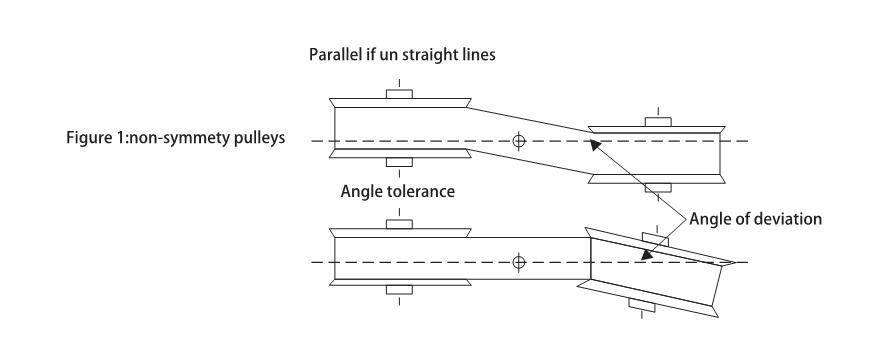
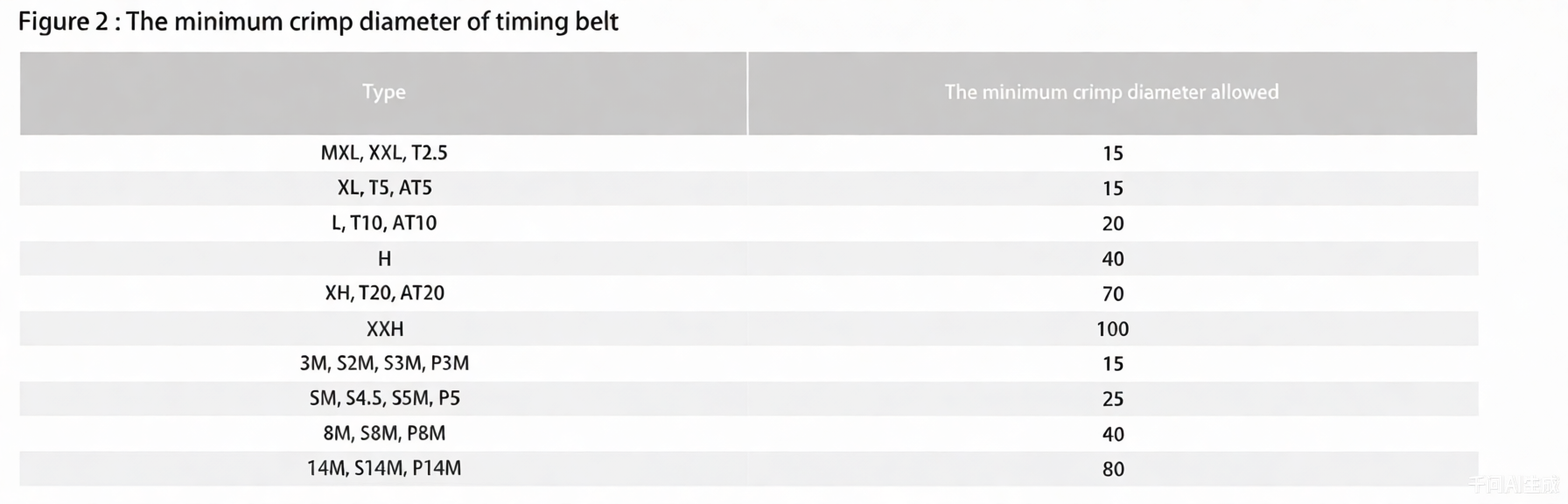
Table 1: Recommended Inspection Intervals
| Belt Type | Inspection Interval | Key Checks |
| V-Belt | Monthly | Tension, cracks, wear, alignment |
| Timing Belt | Every 3 months | Tooth wear, engagement, tension, pulley alignment |
5. Common Issues and Troubleshooting
| Problem | Possible Cause | Corrective Action |
| Belt slipping | Under-tensioned, worn, or misaligned pulley | Adjust tension, replace belt, realign pulley |
| Noise / squealing | Pulley misalignment or improper tension | Check alignment, adjust tension, clean pulley |
| Premature wear | Overloading, sharp bends, poor storage | Check operating load, handle carefully, replace if necessary |
| Teeth damage (timing belts) | Debris, misalignment, over-tension | Clean system, realign, ensure proper tension |
6. Best Practices for V-Belt and Timing Belt Use
- Always replace belts in multi-belt drives simultaneously to ensure uniform load distribution.
2. Avoid measuring a worn belt for replacement; always measure new or correctly tensioned belts.
3. Keep detailed maintenance records including installation date, service intervals, and inspection results.
4. Consider using belt measuring tools such as the Mingsen Length Finder to quickly identify correct belt length and reduce downtime.
7. Summary
– Correct installation, alignment, and tensioning are critical for reliable belt operation.
– Proper storage, handling, and periodic inspection prolong belt life and prevent machine downtime.
– Both V-belts and timing belts have specific requirements that must be followed for optimal performance.
– Using tools like length finders and following manufacturer guidelines ensures precision and efficiency.